India’s creative economy is booming. Whether you are a Class 12 student exploring career options, a parent weighing your child’s educational choices, or a graduate considering a career switch, understanding the most exciting creative career courses India has to offer is essential. From art direction to copywriting, from brand strategy to user experience design, the creative industry is evolving faster than ever. This guide explores the creative careers gaining momentum, the skills employers seek, and how to position yourself for success in these roles.
Why Are Creative Careers Growing in India?
India’s advertising and creative industries are experiencing unprecedented growth. Several factors drive this expansion. First, India’s digital economy is expanding rapidly. With over 700 million internet users, brands are investing heavily in digital campaigns, content creation and online presence. Second, multinational companies are establishing creative hubs in India, particularly in Mumbai and Bangalore. Third, Indian agencies and startups are winning international awards and securing global clients. This creates more opportunities for skilled creative professionals at all levels.
Consumer behaviour is also shifting. Brands are moving away from traditional advertising toward storytelling, experiential marketing and authenticity. This demand benefits creatives who understand both art and commerce. Additionally, emerging sectors such as fintech, e-commerce, ed-tech and digital media are spawning new creative roles that did not exist five years ago. Professionals who can blend strategy, design and technology are particularly sought after.
Which Creative Roles Are in Demand?
The creative industry encompasses many specialised roles. Understanding the differences helps you choose a starting point.
Art Direction, Copywriting and Design
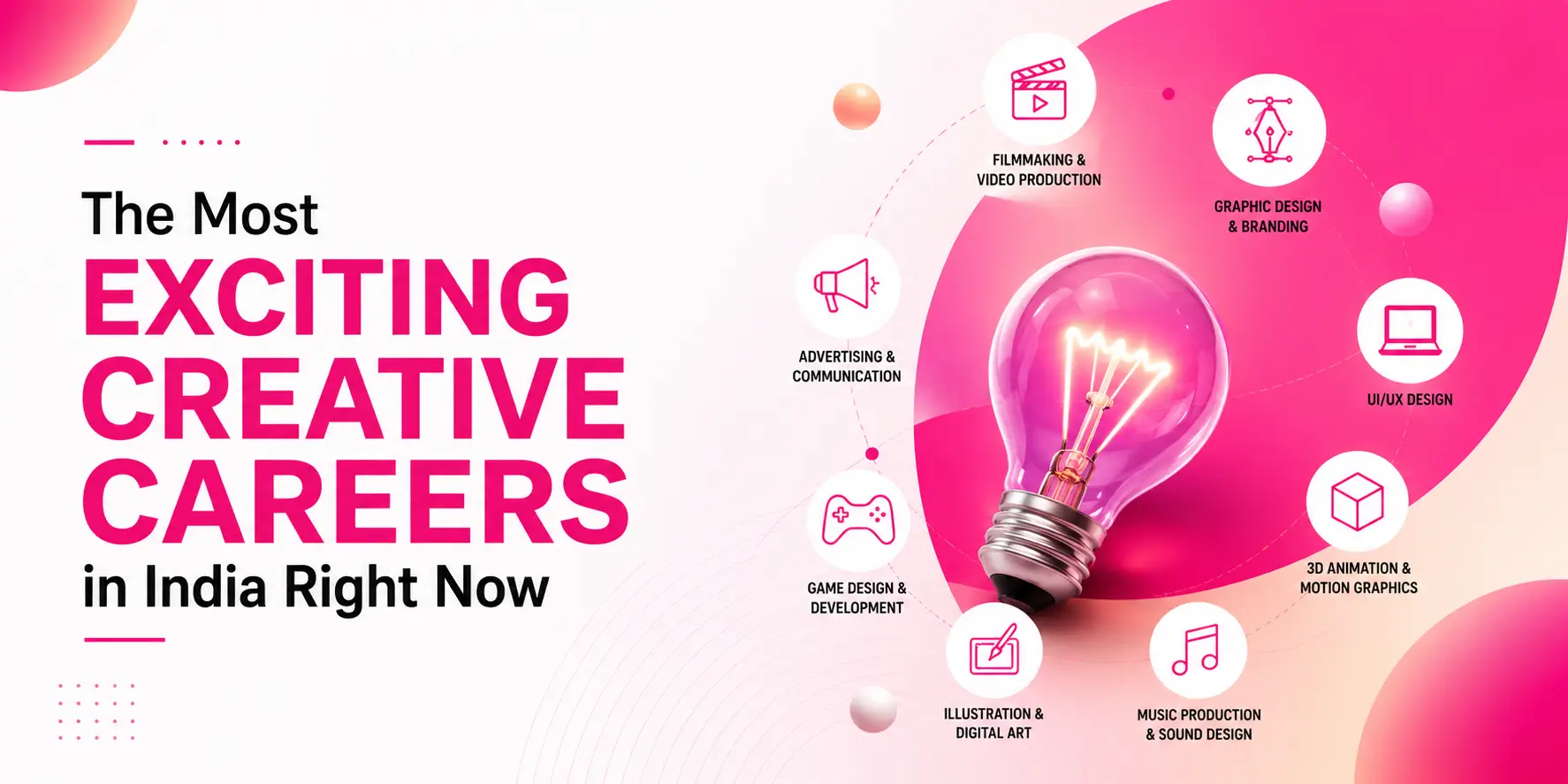
Art direction remains one of the most rewarding creative careers in India. Art directors conceptualise visual campaigns, manage design teams and bridge the gap between strategy and execution. They work across advertising, branding, packaging and digital platforms. Copywriting is equally critical. Copywriters craft compelling narratives, from social media posts to long-form brand stories. A strong copywriter can make a campaign memorable. Graphic designers are also in high demand. They translate ideas into visual form through typography, layout, colour and illustration. Digital design is particularly hot, with opportunities in web design, app interfaces and interactive experiences. Photography, motion graphics and video production complement these core roles, especially as brands prioritise video content and visual storytelling.
Strategy, UX and Creative Technology
Brand strategy roles involve understanding consumer psychology, competitive landscapes and market opportunities. Strategic thinkers help brands position themselves, define messaging and guide creative direction. User experience (UX) designers create intuitive, beautiful digital experiences. As businesses invest in apps, websites and digital products, UX expertise is increasingly valuable. Content strategists plan and manage content across platforms. They understand audience behaviour, SEO principles and storytelling. Emerging roles such as creative technologists combine design, coding and innovation. These professionals prototype interactive experiences and experiment with emerging technologies. The intersection of creativity and technology is where many exciting careers are forming right now.
What Skills Do These Careers Share?
Regardless of specialisation, certain foundational skills are essential. Visual literacy matters in all creative roles. You must understand colour, composition, typography and design principles. Problem-solving is critical. Creative professionals are hired to solve business challenges through imagination and strategy. Communication skills are non-negotiable. Whether presenting to clients, collaborating with teams or writing copy, clarity and persuasion are essential. Digital literacy is now table stakes. Proficiency in design software (Adobe Creative Suite, Figma), content management systems, social media platforms and analytics tools is expected. Strategic thinking separates junior creatives from leaders. Understanding business objectives, audience psychology, and competitive dynamics elevates your work from aesthetic to commercially effective.
Collaboration is vital in modern creative environments. Most campaigns involve multidisciplinary teams. Your ability to work with designers, writers, developers and account managers determines your impact. Finally, cultural awareness and curiosity fuel creativity. Understanding global trends, Indian culture, consumer behaviour and emerging platforms keeps your ideas fresh and relevant.
Which Courses Prepare You for a Creative Career?
Choosing the right educational pathway is crucial. Bachelor’s programmes in advertising and communication design offer comprehensive foundations. These programmes typically span four years and cover graphic design, copywriting, digital marketing, branding, strategy and portfolio development. University-backed programmes add academic rigour and provide structured pathways to internships and industry placement.
Postgraduate diplomas in advertising and media suit graduates from any discipline who want to specialise. These programmes compress core learning into two years, blending theory with live briefs and real client projects. Short-term courses and bootcamps focus on specific skills such as UX design, digital marketing or content creation. These are useful for rapid upskilling but lack the breadth needed for foundational careers. Portfolio-driven programmes emphasise building a professional portfolio alongside learning. This approach mirrors industry reality: your portfolio matters more than your marks in competitive creative roles.
When comparing courses, ask these questions: Are coursework projects based on real briefs? Do faculty include practising industry professionals? Is there hands-on access to studios, technology and tools? Are internships or industry placements built into the curriculum? What is the alumni network and placement record? Does the programme support global exposure or international exchange opportunities?
Explore NoMAD’s Advertising and Communication Design programme to see how a creative-first curriculum works. The 4-year Bachelor programme, powered by Mumbai University, emphasises real client projects, industry mentorship and portfolio development over theory-heavy lectures.
Read More: NoMAD College Placement: Hiring Companies, Career Outcomes, and the Portfolio-First Approach
How Do You Choose the Right Starting Point?
Your choice depends on several factors. Consider your passion. Do you gravitate toward visual problem-solving (design, art direction, UX) or narrative storytelling (copywriting, content, strategy)? Both lead to fulfilling careers. Assess your current skills. If you are confident with technology, UX, or digital roles might suit you. If writing and communication are your strengths, copywriting or content strategy may be ideal.
Think about the scale of impact. Some creatives love working on global campaigns with large teams. Others prefer intimate roles in smaller agencies or start-ups. Consider whether you want to build things (design, UX), sell ideas (copywriting, account management) or shape direction (strategy, creative direction). Your answer reveals where your talents are best deployed.
Location matters. Mumbai is widely recognised as India’s creative capital, with the largest concentration of agencies, production companies and creative businesses. Bangalore offers tech-focused creative roles and a start-up culture. However, creative careers exist in every major city, and remote work has expanded opportunities nationally.
Finally, choose a programme that aligns with your learning style. Do you learn best through project-based work or structured theory? Do you prefer mentorship from practising creatives or traditional academic teaching? Will you benefit from global exposure or international exchange during your studies? These questions should guide your course selection.
How NoMAD Connects Students to Creative Careers
NoMAD College of Creative Intelligence is built around the principle that creative careers are best learned through doing. The college focuses on hands-on education that mirrors industry reality.
Real client projects form the backbone of NoMAD’s curriculum. Rather than working on hypothetical briefs, students tackle actual campaigns for established brands. This exposure teaches students how agencies work, how to manage client feedback and how to deliver work under real constraints. Industry mentorship is embedded into every semester. Practising creatives from leading agencies, tech companies and brands mentor students individually and through workshops. This direct access to industry experience accelerates learning and builds professional networks.
The curriculum balances creativity with commerce. Alongside design and storytelling, students study brand strategy, consumer psychology and digital marketing. This foundation equips graduates to think beyond aesthetics toward business outcomes. The college’s focus on portfolio development ensures that every project builds credentials for future employers. In creative hiring, your portfolio is often more important than your degree. NoMAD’s approach prioritises portfolio quality from year one.
Global exposure is built into the final year. Through partnerships with Miami Ad School sister colleges across 16 global campuses in cities like New York, London, Tokyo, Paris and Singapore, students gain an international perspective and can pursue internships or exchange programmes abroad. This global experience is increasingly valued by multinational agencies and companies.
The college maintains strong connections with leading creative employers. Students secure internships and placements at companies such as Google, Netflix, Amazon, Meta, Ogilvy, McCann, Dentsu, Accenture and many others. The combination of industry-ready portfolios, strategic thinking and hands-on experience opens doors across the creative industry.
How Do You Move from Study to a Creative Job?
Transitioning from education to employment requires a strategy. Build your portfolio throughout your studies, not after graduation. Document every project, from class assignments to client briefs. Include process work, research and outcomes. Agencies want to see how you think, not just what you make.
Network actively. Attend industry events, follow agencies on social media, connect with professionals on LinkedIn and engage with the creative community. Many roles are filled through networks before they are advertised. Seek internships during your studies. Internships provide real experience, help you understand which roles suit you and often convert into full-time offers. Intern at multiple companies to explore different cultures and specialisations.
Customise your portfolio for each application. Tailor your cover letter to the specific role and company. Show that you understand their work and how you can contribute. Apply for both advertised roles and unadvertised opportunities. Send unsolicited portfolios to agencies you admire with a thoughtful note about why you want to work there. Agencies sometimes create roles for exceptional talent.
Develop a point of view. What is your creative perspective? What problems do you love solving? What makes your work distinct? Employers are attracted to creatives with clear vision and conviction, not those trying to appeal to everyone.
Launch Your Creative Career With NoMAD
The creative careers landscape in India is dynamic, rewarding and accessible to those who build the right skills and mindset. Whether you are drawn to the visual storytelling of art direction, the narrative power of copywriting, the problem-solving of UX design or the strategic thinking of brand strategy, a pathway exists for you.
Choosing an educational programme that combines hands-on learning, industry mentorship, real client projects and portfolio development is essential. The right course positions you not just for your first role but for a sustained, evolving creative career where you continue to grow, lead and innovate.
If you are considering a creative career in advertising, communication design or media, speak to an admissions counsellor at NoMAD to explore how the college’s approach to creative education aligns with your aspirations. Download the programme brochure to understand the curriculum, global exposure opportunities and industry connections that shape NoMAD graduates.
Frequently Asked Questions
Which creative career has the best scope in India?
Careers bridging creativity and strategy have the strongest growth. Brand strategy, digital marketing, UX design and creative technology offer expanding opportunities across sectors. Art direction and copywriting remain evergreen in advertising and media. However, the “best” career depends on your strengths. Careers where you excel outperform those chosen purely for market demand.
Do creative careers need a degree?
A formal degree is not always mandatory, particularly if you have an exceptional portfolio and relevant skills. However, a structured programme offers several advantages: formal credentials for initial job applications, structured learning of fundamentals, industry mentorship and connections, internship pathways, and time to build a strong portfolio. Many creative professionals credit their education with accelerating their careers and expanding their networks beyond what self-teaching alone would achieve.
How do I move from study to a creative job?
Build your portfolio throughout your studies, highlighting real projects and client work. Seek internships during your course to gain experience and make industry connections. Attend creative industry events, network on professional platforms and engage with the community. Apply selectively to roles aligned with your specialisation and customise your applications. Consider sending unsolicited portfolios to agencies you admire. Many first roles come through networks or cold outreach to companies whose work resonates with you.
What skills should I focus on before applying to creative courses?
Visual communication skills, basic design software familiarity (Adobe Creative Suite is the industry standard), strong writing and communication abilities, problem-solving mindset and digital literacy are valuable starting points. However, formal courses teach these skills, so prior expertise is not required. Demonstrated curiosity, passion for design and culture, and a portfolio of personal projects show a genuine interest to admissions teams.
Which Indian cities offer the best creative career opportunities?
Mumbai remains India’s creative hub, with the highest concentration of advertising agencies, production companies and creative businesses. Bangalore offers strong opportunities in tech-driven creative roles, UX and digital start-ups. Delhi, Pune and Hyderabad have growing creative sectors. However, remote work has expanded opportunities across India, and creative careers exist in every major city. Your choice should depend on the type of work you prefer and whether you value a large agency culture or a start-up environment.
What portfolio should I submit with my creative course application?
Quality over quantity applies. Include 5 to 8 of your best projects, whether from school, personal work or internships. Show process: research, ideation sketches, refinements and final work. Include both finished campaigns and individual pieces. Write concise project briefs explaining the challenge, your solution and outcomes. Include a variety of work across disciplines (design, writing, strategy, video, etc.) if possible. Personal projects that demonstrate your thinking and problem-solving ability are particularly valued.
How quickly can I find a creative job after graduating?
Graduates with strong portfolios, internship experience and industry connections often secure roles within weeks of graduation. Those who built networks during their studies and completed quality internships are particularly competitive. The industry typically hires year-round, but hiring is strongest following graduation and during budget cycles. Building relationships and visibility before graduation significantly accelerates your job search.
Related Posts