A communication design course opens a wide range of creative careers, yet many students and parents remain unsure about what the qualification actually leads to. If you are weighing your options after Class 12, this guide explains the skills a communication design course builds, the career paths it unlocks, the indicative salary ranges in India and how to become genuinely job-ready.
Communication design sits where art, technology and strategy meet. As Indian brands invest more in digital campaigns, visual identity and user experience, demand for skilled designers continues to grow. Institutions such as NoMAD College of Creative Intelligence approach the field through hands-on, portfolio-first learning, which is increasingly what employers look for.
Quick answer: A communication design course prepares you to communicate ideas visually across branding, advertising, UX and digital media. Common careers include graphic designer, art director, UX or UI designer, brand strategist and motion designer, working across agencies, technology firms, media houses and studios. In creative hiring, a strong portfolio usually carries more weight than marks alone.
What Skills Does the Communication Design Course Build?
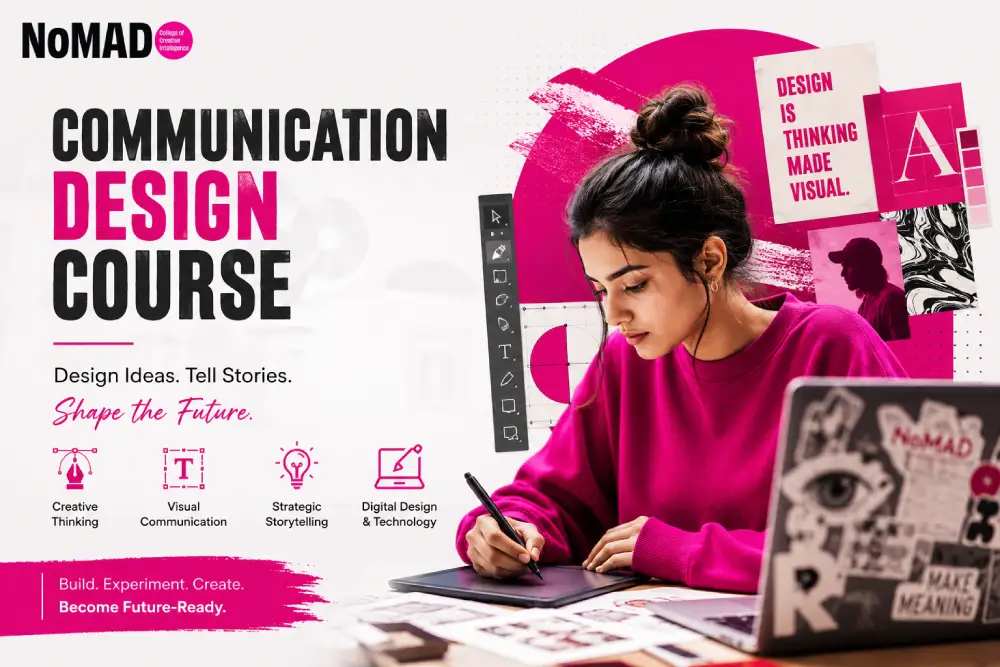
A communication design course builds both creative and strategic skills. You learn visual communication, typography, layout and colour theory, alongside branding, art direction and creative strategy. Most programmes also develop practical software ability, storytelling, research and the capacity to translate a client brief into a clear, persuasive design solution.
In practice, the skill set falls into four broad areas:
• Visual and craft skills: typography, layout, colour, illustration and image-making.
• Digital skills: user experience (UX) thinking, motion graphics and digital campaign design.
• Strategic skills: branding, creative strategy and understanding how audiences think and behave.
• Professional skills: presenting ideas, collaborating in teams and delivering work to briefs and deadlines.
Together, these skills prepare you to work across advertising, product design and media, rather than for a single narrow role.
Which Career Paths Open After a Communication Design Course?
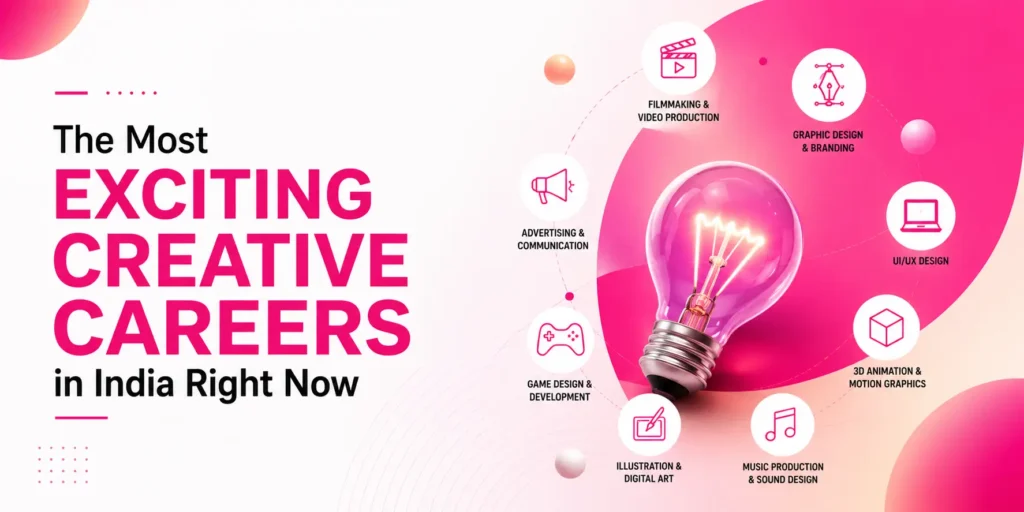
A communication design course can lead to a varied communication design career across advertising, branding, digital product design and media. Common roles include graphic designer, art director, UX or UI designer, brand strategist, motion designer and visual designer. Many graduates begin in studios or agencies, then specialise as their portfolio and interests take shape.
Design and Art Direction Roles
These roles focus on how a brand or campaign looks and feels. As a graphic or visual designer, you create layouts, identities and campaign assets. As an art director, you lead the visual language of a project and guide other designers, photographers and illustrators. Strong craft, ideas and attention to detail matter most here.
Branding, UX and Digital Roles
This group sits at the crossover of design, technology and strategy. UX and UI designers shape how people experience apps and websites, while brand strategists connect design decisions to business goals. Motion designers, packaging designers and social or digital designers round out a fast-growing set of communication design jobs in technology firms, agencies and Direct-to-Consumer brands.
What Do Communication Designers Earn in India?
Communication design salary in India varies widely by role, city, employer and portfolio strength, so treat the figures below as indicative only. Entry-level designers often earn in the region of a few lakhs per year, while experienced designers, art directors and creative leads earn considerably more as they build a track record.
| Role | Typical experience | Indicative annual range (INR) |
| Graphic or visual designer | Entry level | ₹3 to ₹6 lakhs |
| UX or UI designer | Early to mid-career | ₹6 to ₹14 lakhs |
| Brand strategist | Mid career | ₹8 to ₹18 lakhs |
| Art director | Mid to senior | ₹10 to ₹25 lakhs |
| Creative director | Senior | ₹15 lakhs and above |
These figures are drawn from public salary aggregators, differ significantly between sources and should be verified against current market data. Location also matters, with metro hubs such as Mumbai, Bangalore, Delhi and Pune generally offering higher pay.
Which Industries Hire Communication Designers?
The communication design scope extends well beyond advertising. Employers include creative and advertising agencies, technology and product companies, media and entertainment, e-commerce and Direct-to-Consumer brands, publishing, education and consulting. Almost every organisation that communicates with an audience needs design, which keeps demand broad and resilient.
NoMAD graduates, for example, have gone on to work with leading agencies and brands in India and abroad. You can see where NoMAD graduates work to understand the range of employers active in this field.
How Do You Make Yourself Job-Ready?
To become job-ready, focus on three things: a strong portfolio, real project experience and current tool knowledge. In creative hiring, your portfolio usually matters more than marks. Internships, live briefs and networking help you build proof of skill, while up-to-date tools keep your work relevant to what studios and brands actually need.
Portfolio, Internships and Networking
Your portfolio is your single most important career asset. It should show a range of projects, your thinking and the results you helped achieve, not only finished visuals. Internships, both national and international, and live client briefs give you real work to include, while networking with mentors and peers often leads to your first opportunities. Programmes that offer internships and placements alongside real projects make this far easier.
Want feedback on your creative direction? You can book a one-to-one portfolio review with NoMAD’s admissions team to understand where your work currently stands.
Staying Current With Tools and Trends
Design tools change quickly. Familiarity with industry-standard software for design, prototyping and motion, along with an awareness of UX, branding and AI-assisted workflows, keeps your skills current. Reading, experimenting and following credible design communities all help you stay ahead. For a broader overview, see our communication design course guide.
How NoMAD Prepares Communication Designers
NoMAD College of Creative Intelligence offers a Bachelor’s in Advertising and Communication Design built around practical, portfolio-first learning. Students work on real client projects and live briefs, take part in creative exercises and learn directly from practitioner mentors drawn from advertising, branding, design and strategy.
With a presence in Mumbai, positioned as India’s creative capital, and in Bangalore, students gain access to two major creative and technology hubs. NoMAD also highlights global and national internships, industry exposure and creative learning spaces such as studios, labs and media rooms. The aim is straightforward: to help you graduate with a portfolio and experience that employers recognise.
Shape Your Design Career at NoMAD
A communication design course can lead to a rewarding, varied and creative career, provided you build the right skills, portfolio and experience. If you are comparing creative courses after Class 12, explore NoMAD’s Bachelor’s in Advertising and Communication Design to understand the curriculum, portfolio focus and career pathways.
To take the next step, you can understand NoMAD’s admissions process and enquire now for eligibility and fees.
Frequently Asked Questions
Is communication design in demand in India?
Yes. As Indian brands invest in digital campaigns, visual identity, user experience and content, demand for skilled communication designers continues to grow across agencies, technology firms and media. Designers who combine strong craft with strategic thinking and a solid portfolio tend to find the widest range of opportunities.
Which role pays the most?
Senior creative roles such as creative director and art director generally sit at the higher end of the pay scale, followed by specialist UX and brand roles. That said, pay depends heavily on your portfolio, city, employer and experience, so exact figures should be verified against current market data.
Can I freelance after the course?
Yes. Many communication designers freelance, either alongside a full-time role or independently. Freelancing suits designers who have built a strong portfolio, a professional network and reliable client relationships. It offers flexibility and varied work, although income can be less predictable, especially in the early stages of your career.
How long is a communication design course in India?
Undergraduate communication design programmes in India generally run for three to four years, while shorter diplomas and certificate courses are also available. Programme length and structure vary by institution, so confirm the exact duration and curriculum of any specific course, including NoMADs, directly with the institution before applying.
Do I need to be good at drawing to study communication design?
No. Drawing can help, but communication design is about ideas, problem-solving and visual thinking rather than illustration skill alone. Many successful designers rely on typography, layout, strategy and digital tools far more than freehand drawing. A willingness to learn and a curious, creative mindset matter most.
What should I check before choosing a creative college?
Look at the curriculum, the balance of practical and theoretical learning, faculty experience, portfolio support, internships and where past students now work. Visiting the campus and speaking to an admissions counsellor also helps. Choose a programme that prioritises real projects and a strong portfolio, as these carry the most weight in creative hiring.
Related Posts